
A Homeowner's Guide to Navigating Roof Damage Insurance Claims in Texas
Here in Central Texas, we know that blue skies can turn stormy in a hurry. The term 'hail season' is a familiar one for every Georgetown homeowner, and with it comes the worry about potential roof damage. When a storm does hit, the aftermath can feel overwhelming. Between assessing the damage and figuring out your next steps, the thought of filing an insurance claim can be incredibly stressful. The process is often confusing, filled with unfamiliar terms and procedures.
But it doesn't have to be a nightmare. With the right information and a trusted local partner, you can navigate your insurance claim with confidence and ensure your home is properly restored. This guide will walk you through the essential steps, from the moment the storm passes to the completion of your new, secure roof, helping you avoid common pitfalls and the stress of dealing with less-than-reputable 'storm chasers'.
Step 1: Immediate Actions After the Storm
Once the storm has passed and it's safe to go outside, your first priority is to document the condition of your property. Before moving anything, take clear photos and videos of your roof from the ground, as well as any fallen tree limbs, large hailstones, or damage to siding, windows, and gutters. This initial evidence is invaluable when you file your claim.
If you notice active leaks or significant damage that could lead to further issues inside your home, it's important to take reasonable steps to mitigate the problem. This might involve placing buckets to catch water or contacting a professional for emergency tarping. Most insurance policies require you to prevent further damage, and documenting these temporary repairs is a crucial part of the process. However, for your safety, avoid climbing on a wet or potentially unstable roof yourself. The next step is to call a professional for a thorough assessment.
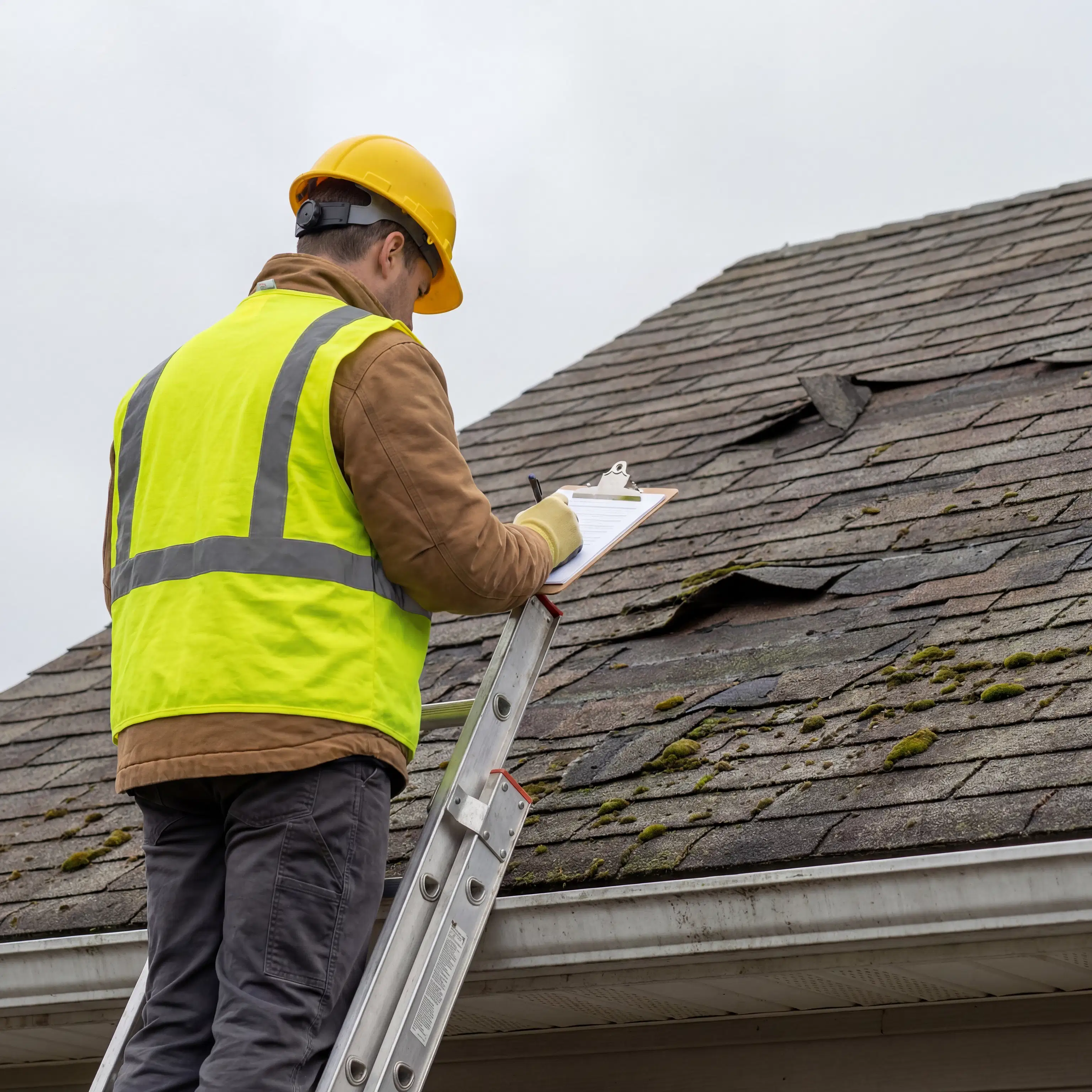
Step 2: Schedule a Professional Roof Inspection
While your photos are helpful, hail damage can be subtle and easily missed by an untrained eye. That's why your most important call after a storm should be to a reputable, local roofing contractor for a comprehensive roof inspection. A professional will be able to identify hidden damage like bruised shingles, cracked seals, and granule loss that can compromise your roof's integrity over time.
This is also where you can protect yourself from predatory 'storm chasers'—out-of-town companies that sweep into areas after a storm, perform shoddy work, and disappear before any issues arise. Choosing a local, established company like DeZign Roofing & Exteriors ensures you're working with a team that understands local building codes, has a vested interest in the community, and will be here to stand by their work for years to come. A detailed inspection report from a trusted roofer provides the critical documentation you'll need for your insurance company.
Step 3: Filing Your Claim and Meeting the Adjuster
With your professional inspection report in hand, it's time to contact your insurance company to initiate the claim. You'll be assigned a claim number and an insurance adjuster, who will schedule a visit to assess the damage on behalf of the insurance provider.
We strongly recommend that you have your chosen roofing contractor present during the adjuster's visit. Here’s why: your roofer acts as your advocate. They can point out specific areas of damage the adjuster might overlook, ensure the scope of work is accurately assessed, and answer technical questions using the same industry-standard terminology and software that adjusters use. This collaborative approach helps prevent discrepancies and ensures that the settlement offer from your insurance company is fair and comprehensive, covering the full cost of a proper roof replacement or repair.

Step 4: From Approval to Project Completion
Once your claim is approved, you will typically receive an initial check from your insurance company. This first payment usually covers the actual cash value (ACV) of the roof, which is the value of the damaged roof minus depreciation. This allows your contractor to order materials and schedule the work.
Your roofing team will then proceed with the roof replacement or repairs. They should take great care to protect your landscaping and property during the installation and perform a thorough cleanup afterward. Once the project is complete, your contractor will send a final invoice to the insurance company. The insurer will then release the remaining funds (the recoverable depreciation), and you will be responsible for paying your deductible directly to the contractor.
A quality contractor will perform a final walkthrough with you to ensure you are completely satisfied and provide you with all the necessary warranty documentation for both materials and workmanship, giving you lasting peace of mind.
Your Trusted Partner in Storm Recovery
Dealing with a storm-damaged roof is a stressful experience, but you don't have to go through it alone. By following these steps—documenting the damage, getting a professional inspection, and partnering with a roofer who can advocate for you—you can streamline the insurance process and restore your home's most important protector.
If your home in the Georgetown area has been affected by a recent storm, don't wait for a small problem to become a major one. Contact DeZign Roofing & Exteriors today to schedule a free, no-obligation roof inspection. We're here to provide the expert guidance and quality craftsmanship you need to protect your home and family. Let us help you navigate the process with ease and confidence.