
Managing Active Roof Leaks During Heavy Downpours
We all know how quickly the weather can turn around here. When a severe spring storm rolls through Georgetown, the heavy rain and unpredictable Texas hail can take a serious toll on your property. Hearing the sudden, steady drip of water hitting your ceiling is one of the most stressful sounds a homeowner can experience. An active leak during a downpour is an emergency, but panicking won't stop the water. Knowing exactly how to handle the situation can mean the difference between a minor drywall repair and a major structural disaster.
While your first instinct might be to grab a ladder and fix the problem immediately, your safety and the immediate protection of your home's interior must come first. Dealing with severe weather requires patience and a clear head. In this guide, we will walk you through a step-by-step emergency roof leak response to help you minimize the damage, keep your family safe, and navigate the path to a permanent, professional repair.
Step 1: Contain the Water Indoors
The immediate priority during an active leak is preventing structural water damage from sudden roof leaks inside your living space. Do not attempt to go outside or climb onto your roof while it is raining, especially if lightning is present. A wet roof is incredibly dangerous, and no property is worth risking a severe injury.
Instead, focus your energy indoors. Start by clearing the affected area. Move furniture, electronics, and valuable rugs well out of the way of the dripping water. If an item is too heavy to move, cover it tightly with a waterproof tarp or thick plastic sheeting. Next, place a large bucket or a heavy-duty plastic storage bin directly under the leak to catch the water. To minimize the annoying splashing sound and prevent water from bouncing out onto your floors, place an old towel or a piece of scrap wood at the bottom of the bucket.
If you notice the paint bubbling or the drywall ceiling starting to sag and hold water, you are at risk of a major ceiling collapse. While it sounds completely counterintuitive, the best thing you can do is take a screwdriver or a similar tool and carefully poke a small hole in the center of the bulge. This gives the accumulating water a controlled escape route into your bucket, relieving the immense pressure on your drywall and potentially saving your entire ceiling from caving in.
Step 2: Safe Assessment and Temporary Protection
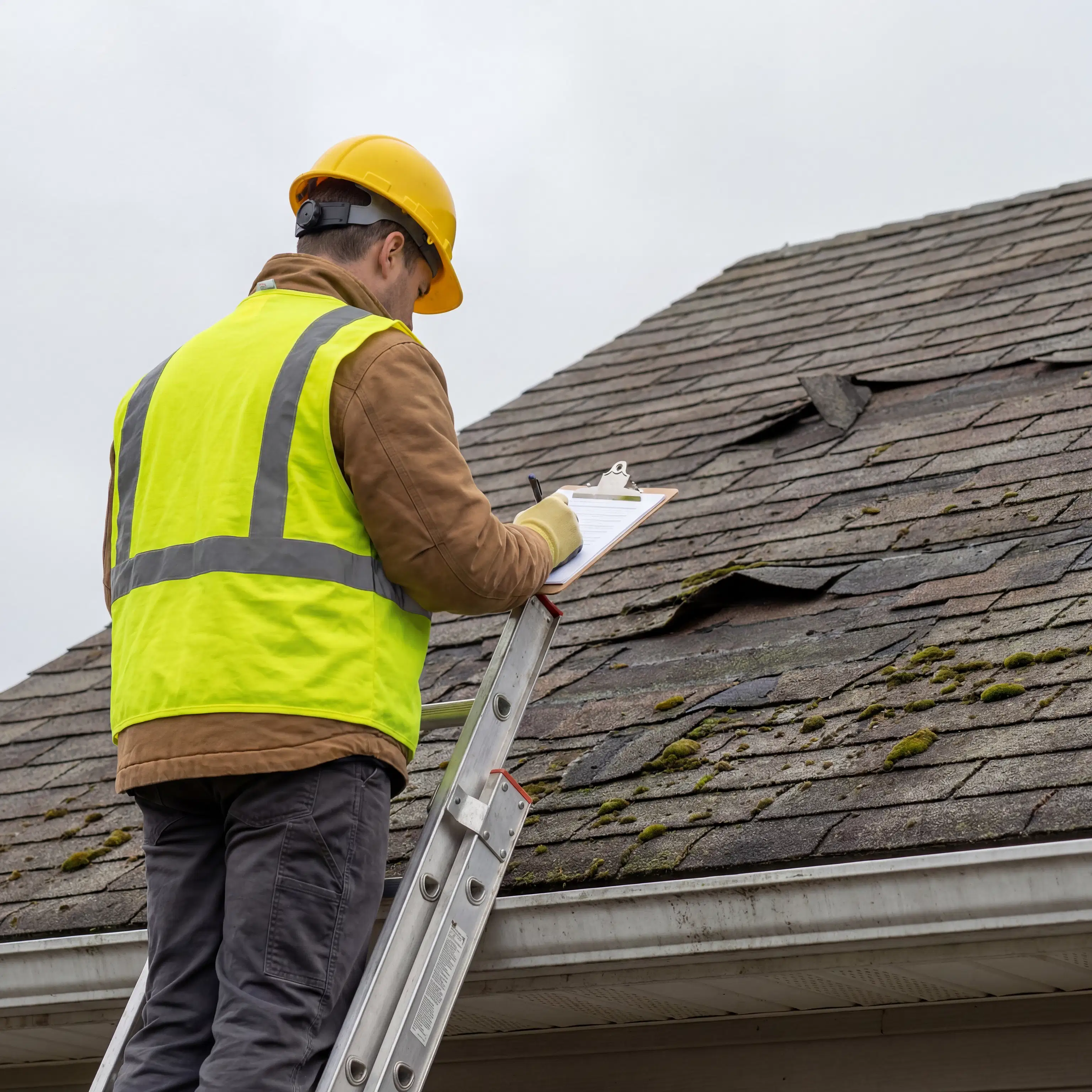
Once the storm has completely passed and it is safe to go outside, you can begin assessing the situation. However, identifying the source of active ceiling water leaks is notoriously difficult. Water rarely drips straight down from the entry point. It usually penetrates the outer roofing materials, travels along rafters, insulation, or beams, and pools in a completely different area before finally seeping through your ceiling.
If you feel comfortable and can do so safely from the ground, walk around the perimeter of your home and look for obvious signs of damage. You might see missing shingles, dented flashing, or areas where tree branches have impacted the structure.
While there are temporary roof patch methods during heavy rain or immediately after, we highly advise against attempting these yourself unless you have proper safety equipment and training. Nailing a tarp incorrectly can actually cause more damage to your home, and an improper patch will not hold up to the next storm. Instead, this is the time to schedule professional roof inspections. At DeZign Roofing & Exteriors, we utilize advanced drone technology to safely and accurately assess the damage from above, providing you with transparent, real-time photographic evidence that is incredibly useful if you need to file a homeowners insurance claim.
Step 3: Addressing Vulnerabilities and Permanent Solutions
Once a professional has secured your home with emergency tarping or temporary sealants, it is time to look at long-term solutions. It is crucial to work with an established, local contractor who understands our unique climate. After major weather events, it is unfortunately common for out-of-state storm chasers to flood the Wilco area, offering quick, cheap fixes that fail the next time the wind blows.
A thorough evaluation will uncover exactly what failed. Sometimes, what appears to be a roofing failure is actually an issue with water management at the edge of your home. Clogged or improperly pitched gutters can cause rainwater to back up underneath your shingles and seep into your fascia boards. Upgrading to custom gutter systems can effectively route heavy downpours safely away from your foundation and roofline.
For the roof itself, we will walk you through the necessary roof repairs and maintenance to fully restore your home's integrity. Whether it requires replacing a section of impact-resistant shingles, repairing compromised flashing around your chimney, or ensuring your attic has proper ventilation to dry out any residual moisture, doing the job right the first time is essential for your peace of mind.
Don't Wait for the Next Storm
Managing an active leak is stressful, but taking swift, safe action indoors can protect your home from devastating water damage. Remember to contain the leak safely from the inside, wait out the severe weather, and then rely on local experts to diagnose and repair the true source of the problem.
At DeZign Roofing & Exteriors, we are proud to serve our neighbors in Round Rock and the surrounding communities. We understand the local building codes, we know how to build roofs that withstand the Texas heat, and we are here to support you long after the storm clouds clear. If you suspect your roof has suffered damage or if you want to be proactive before the next heavy downpour, visit our contact us page today to schedule your comprehensive evaluation.