
Scheduling Roof Replacement During Texas Summer Heat
If you have lived in Central Texas for any length of time, you know that our summers are unforgiving. The relentless sun does not just take a toll on your lawn and your air conditioning bill; it also puts immense stress on your home's exterior. For homeowners in Georgetown and the surrounding areas, realizing you need a new roof in the middle of July or August can feel like a daunting prospect. You might be wondering if it is even possible to tackle such a massive project when the thermometer is pushing triple digits.
The short answer is yes, but it requires careful planning, specialized knowledge, and a contractor who understands the unique challenges of our climate. Scheduling residential roof replacement during summer involves navigating everything from material behavior to crew safety. Let's explore what you need to know about replacing your roof during the hottest months of the year and how to ensure the project goes smoothly.
The Impact of High Temperatures on New Shingle Adhesion
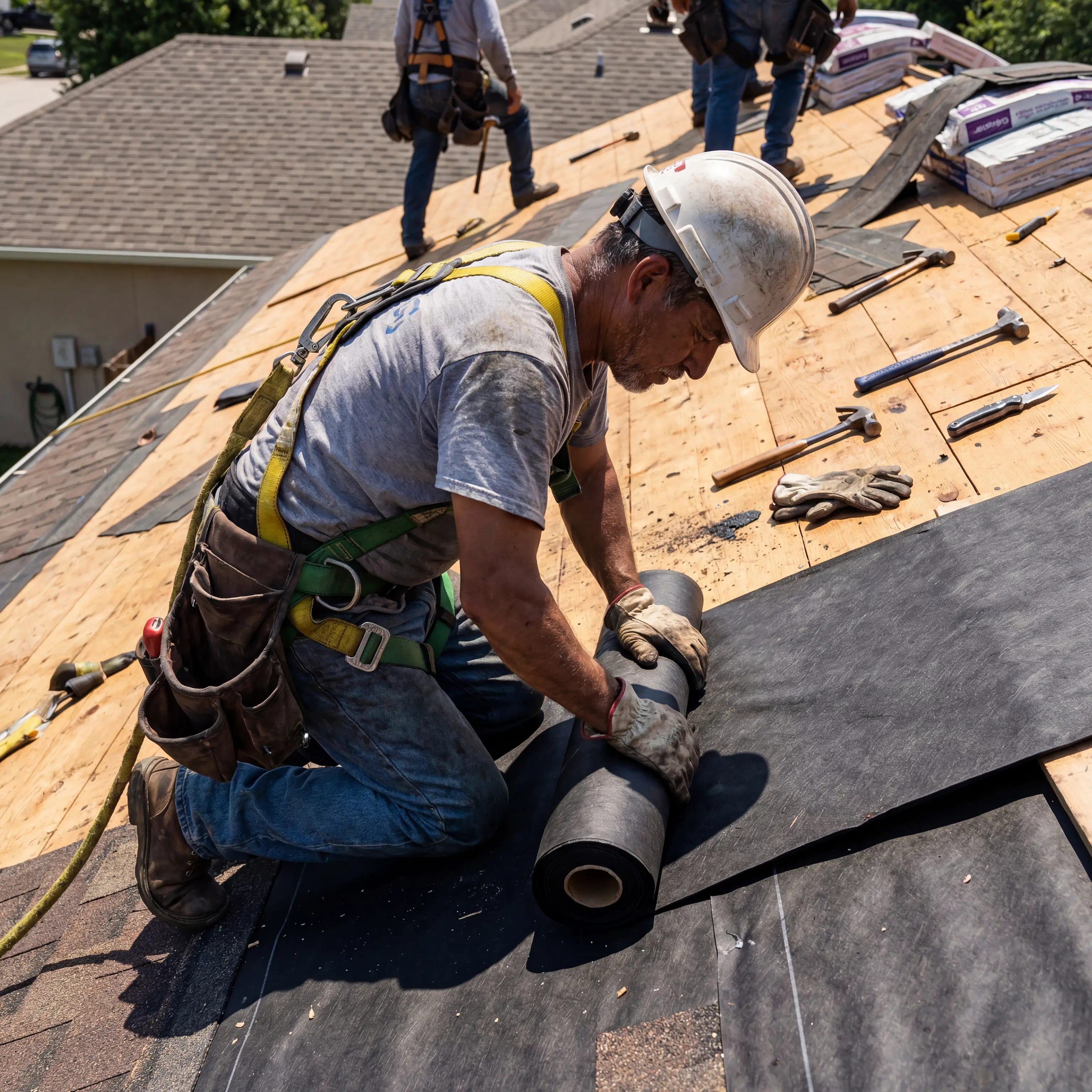
One of the most critical factors to consider during a summer installation is how the weather affects the roofing materials themselves. Asphalt shingles, which are incredibly popular across the Hill Country, are designed to absorb heat. This is great for sealing the roof once installed, but during the actual installation process, extreme heat can make the shingles overly pliable.
When temperatures soar, asphalt can become soft, making it susceptible to scuffing or tearing under the weight of foot traffic. Furthermore, the impact of high temperatures on new shingle adhesion means that the tar sealant strips activate very quickly. While this creates a strong, wind-resistant bond, it leaves very little room for error during placement.
To combat this, experienced local roofers will often recommend specific scheduling strategies or suggest alternative materials. For instance, upgrading to a standing seam metal roof is a fantastic option for our climate. Metal reflects radiant heat, helping to lower your cooling costs, and its installation is not as sensitive to the daily temperature spikes. Whether you are looking at traditional shingles or energy-efficient alternatives, professional re-roofing and roof replacement requires a deep understanding of how materials react to the environment.
Safe Roofing Crew Working Hours During Heatwaves
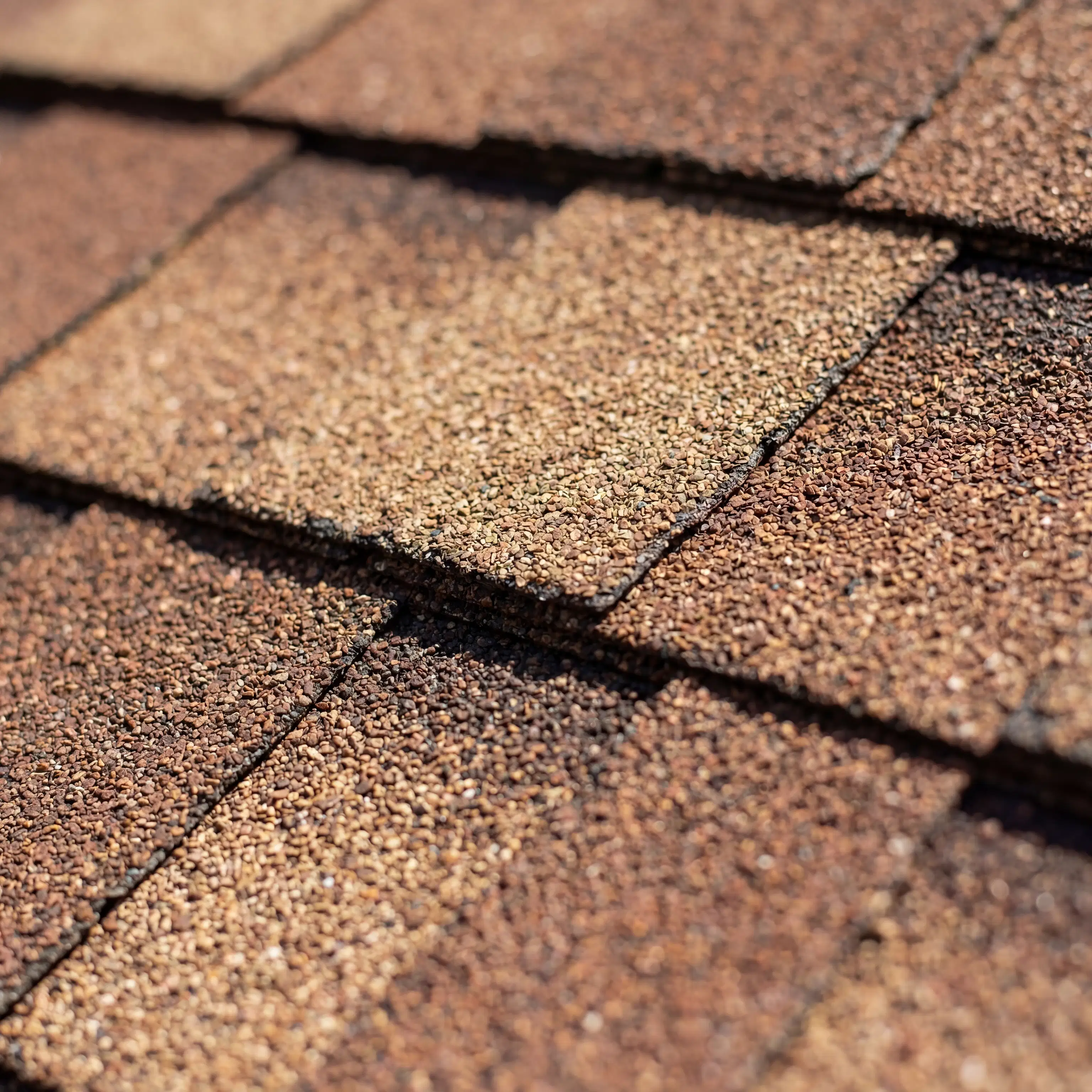
Another major consideration for summer projects is the human element. Roofing is physically demanding labor, and doing it on a surface that absorbs and radiates heat can be dangerous. On a 100-degree day, the surface temperature of a dark shingle roof can easily exceed 150 degrees.
Because of this, you will likely notice a shift in how extreme heat affects roof installation timing. To maintain safe roofing crew working hours during heatwaves, professional teams will typically arrive at your home very early in the morning, often right at sunrise. The goal is to complete the most labor-intensive and exposed portions of the job before the peak heat of the afternoon sets in.
This might mean that your project takes an extra day or two to complete compared to a spring or fall installation. However, this adjusted schedule is absolutely essential. It protects the workers from heat exhaustion and ensures that the quality of the workmanship remains high. Fatigued workers are more prone to making mistakes, and when it comes to protecting your home from the next round of Texas Hail, precision is non-negotiable. If you are scheduling roof repairs and maintenance during these months, expect your contractor to prioritize these early morning windows.
Preparing for Sudden Summer Storms
Summer in our region is not just about the heat; it is also about the sudden, intense thunderstorms that can pop up in the late afternoon. When your roof is being replaced, it is temporarily vulnerable. A reputable contractor will closely monitor the weather radar and only tear off as much of the old roof as they can completely replace and waterproof in a single day.
This is also the perfect time to evaluate your home's entire exterior drainage system. Heavy summer downpours require clear, functioning gutters to direct water away from your foundation. Incorporating gutter maintenance into your roofing project ensures that your new investment is fully protected from water damage.
Trusting the Right Local Experts
After severe weather rolls through, it is common to see out-of-state storm chasers knocking on doors in neighborhoods like Sun City. While they might promise quick timelines, they often lack the local knowledge required to handle our specific climate challenges, and they will not be around to honor their warranties next year.
Navigating residential roof replacement scheduling during summer requires a contractor who is deeply rooted in the community and understands the logistical hurdles of the season. From managing fluctuating material costs to ensuring the safety of the crew, local expertise makes all the difference.
If you are concerned about the condition of your roof or need to schedule a replacement before the weather turns again, reach out to the Wilco experts at DeZign Roofing & Exteriors. We are committed to providing transparent estimates, top-tier materials, and a schedule that prioritizes both quality and safety. Contact us today to get started on protecting your home.